Compare prices onEV Chargers 2026

See current prices on EV chargers with green deduction. Compare up to 4 suppliers near you.

  • Get started in 1 minute
  • Always completely free
  • No obligation to buy or lock-in
See your price

Right now: from SEK 5,900

*Example price after green deduction

Compare up to 4 quotes · No obligation · Completely free

Tryggt & Kvalitetssäkrat

Svea Solar
Evify
Greenely
1Komma5°
EV chargers for home charging

From SEK 5,900*

*Example price after green deduction

Smart EV chargers for your home

Compare Sweden's best offers on EV chargers. Charge your electric car at home conveniently and cost-effectively.

  • EV chargers from SEK 5,900*
  • Green deduction applied directly on the invoice
  • Charge your EV at home as early as next week

Free matching · Response within 24h

Scan the market for the best prices

We scan the market to find certified installers in your area. With just a few clicks, you can compare up to 4 quotes – completely free of charge.

Popular EV chargers

Explore our most sought-after charging solutions for your home.

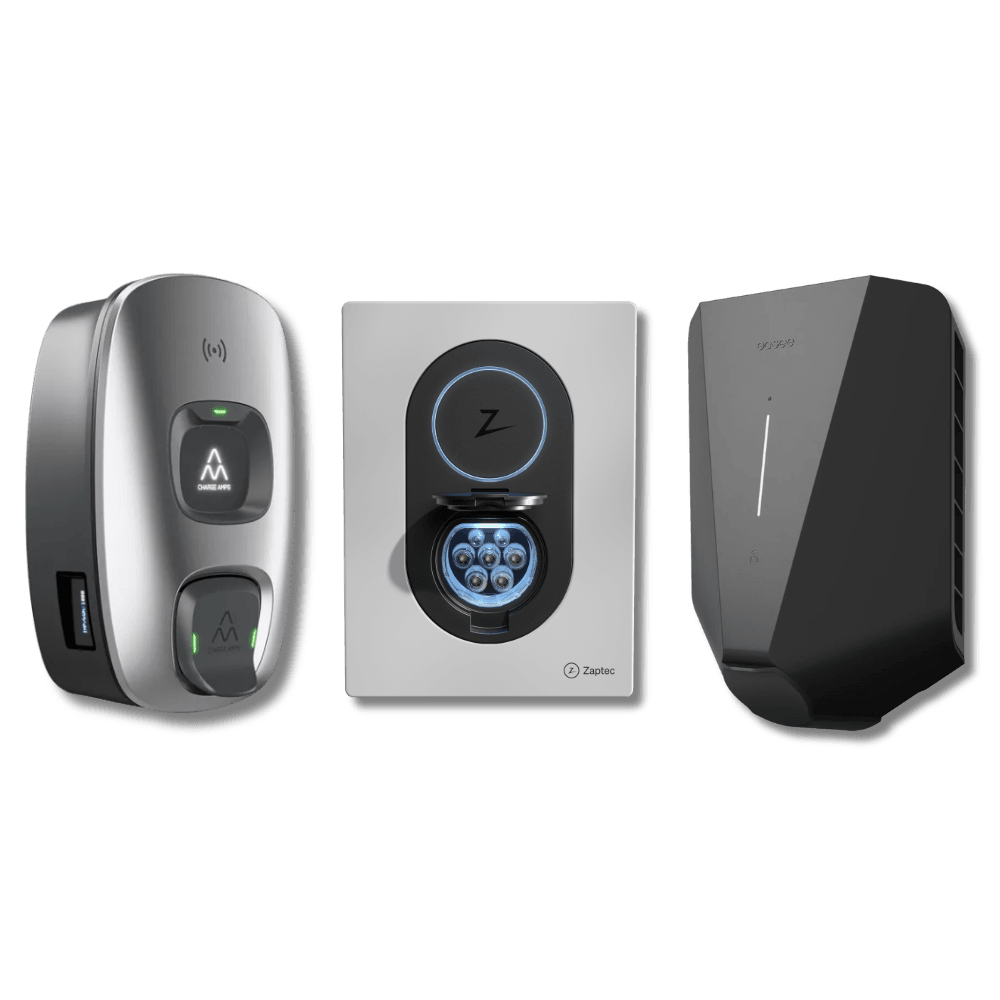
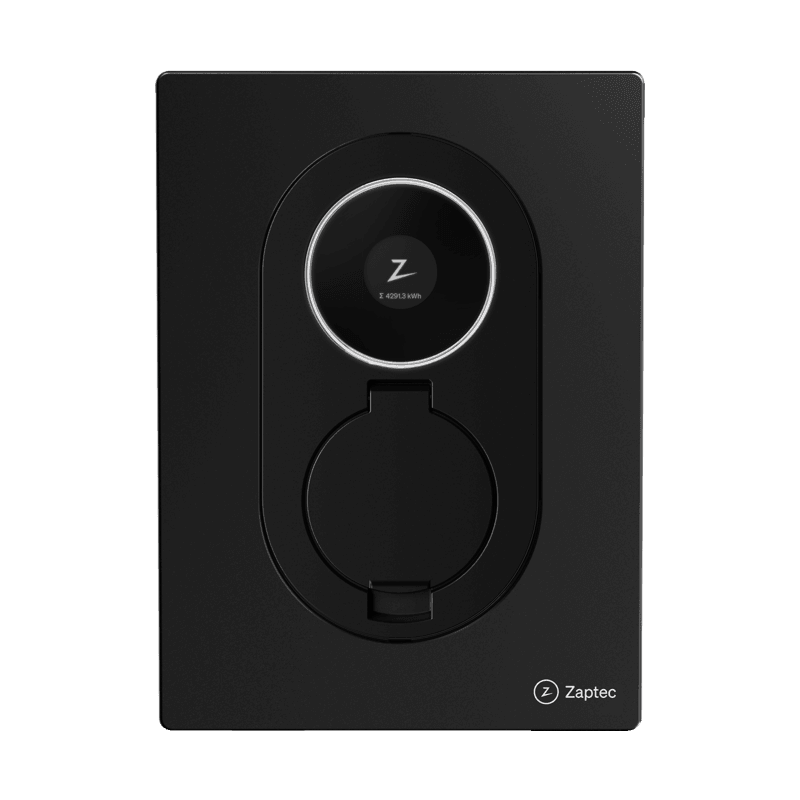
Zaptec GoFeatured
Zaptec

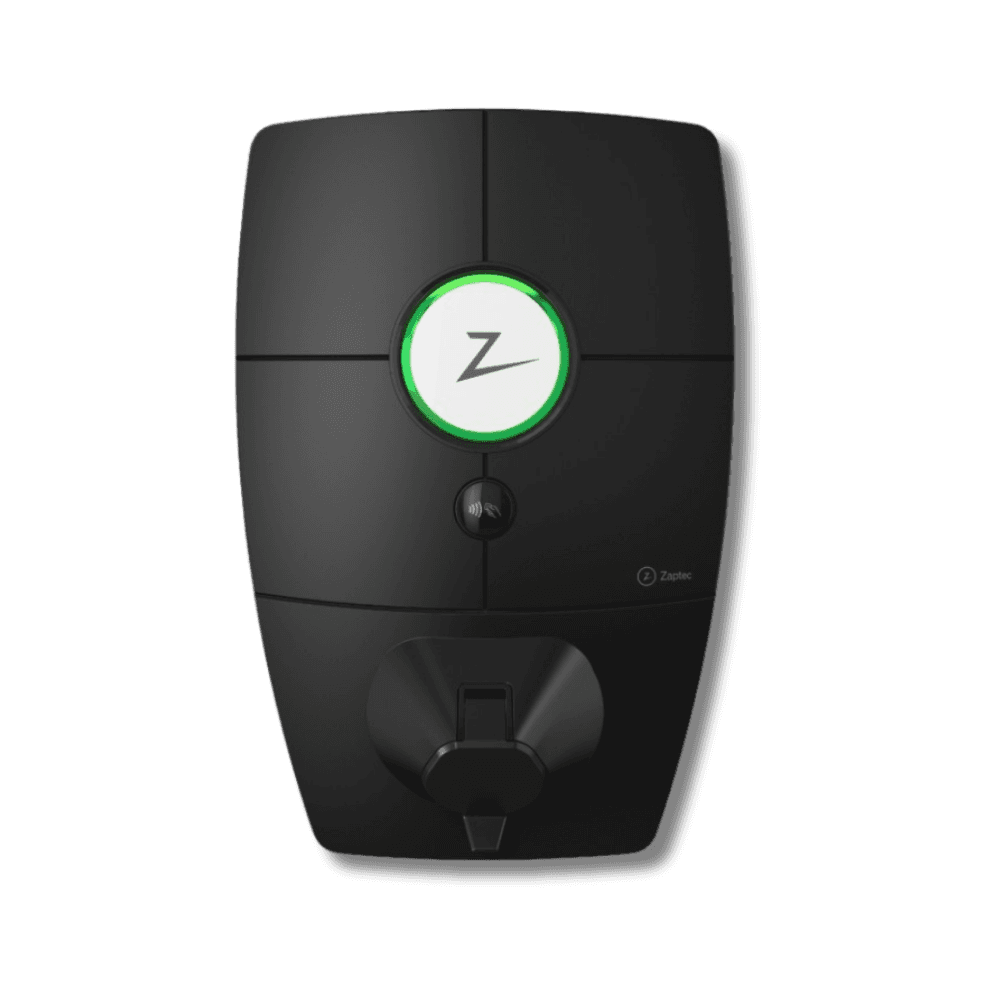
Zaptec Go

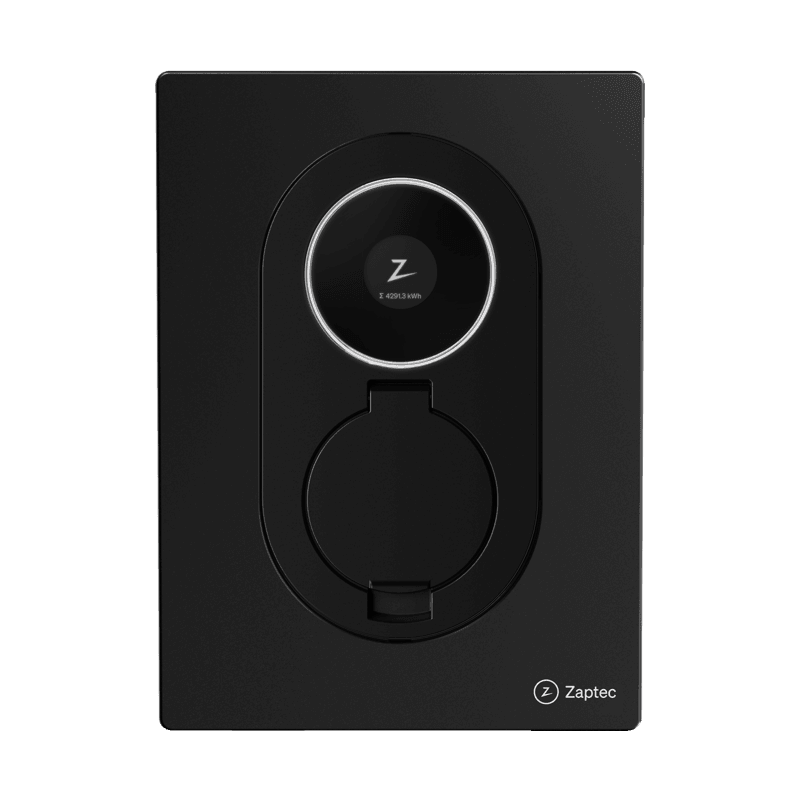
Award-winning charging box with 22 kW charging power, built-in WiFi/4G and energy meter — Scandinavia's most popular choice.

22 kW5 years
Read more
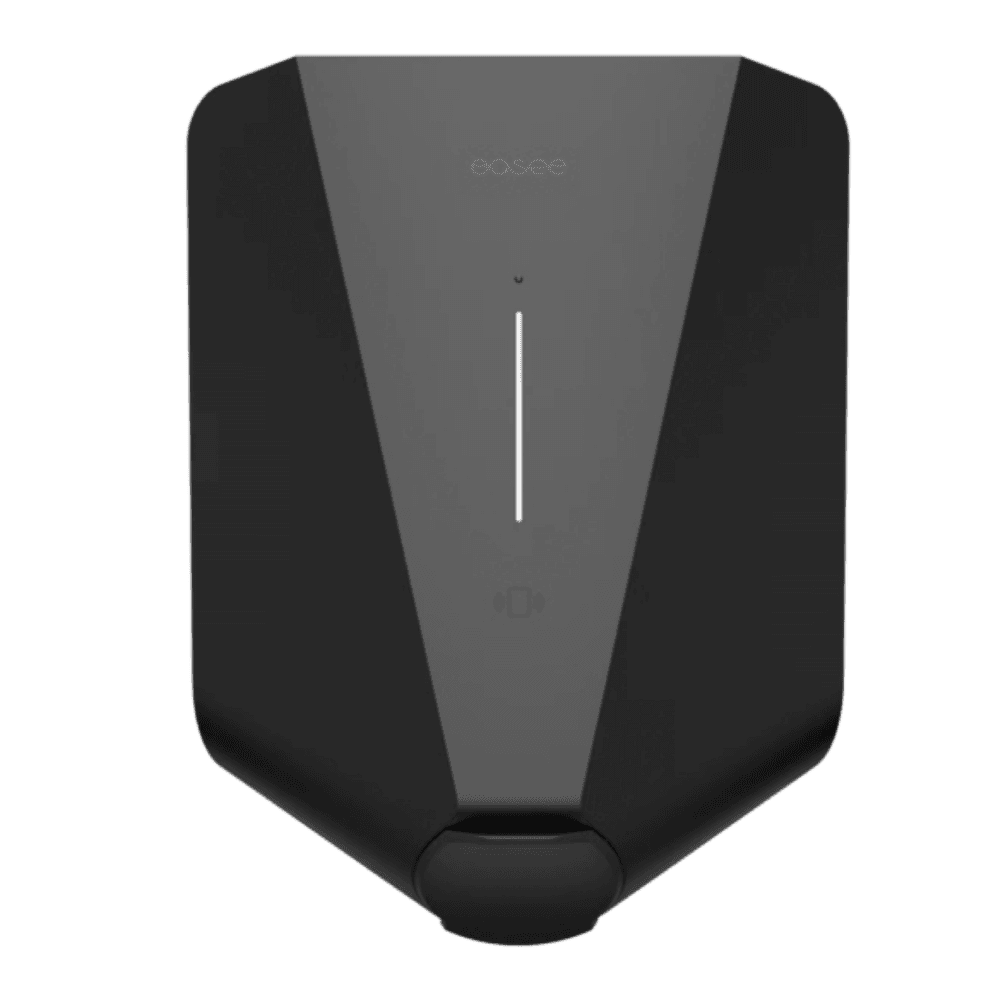
Easee Charge Up
Easee

Easee Charge Up

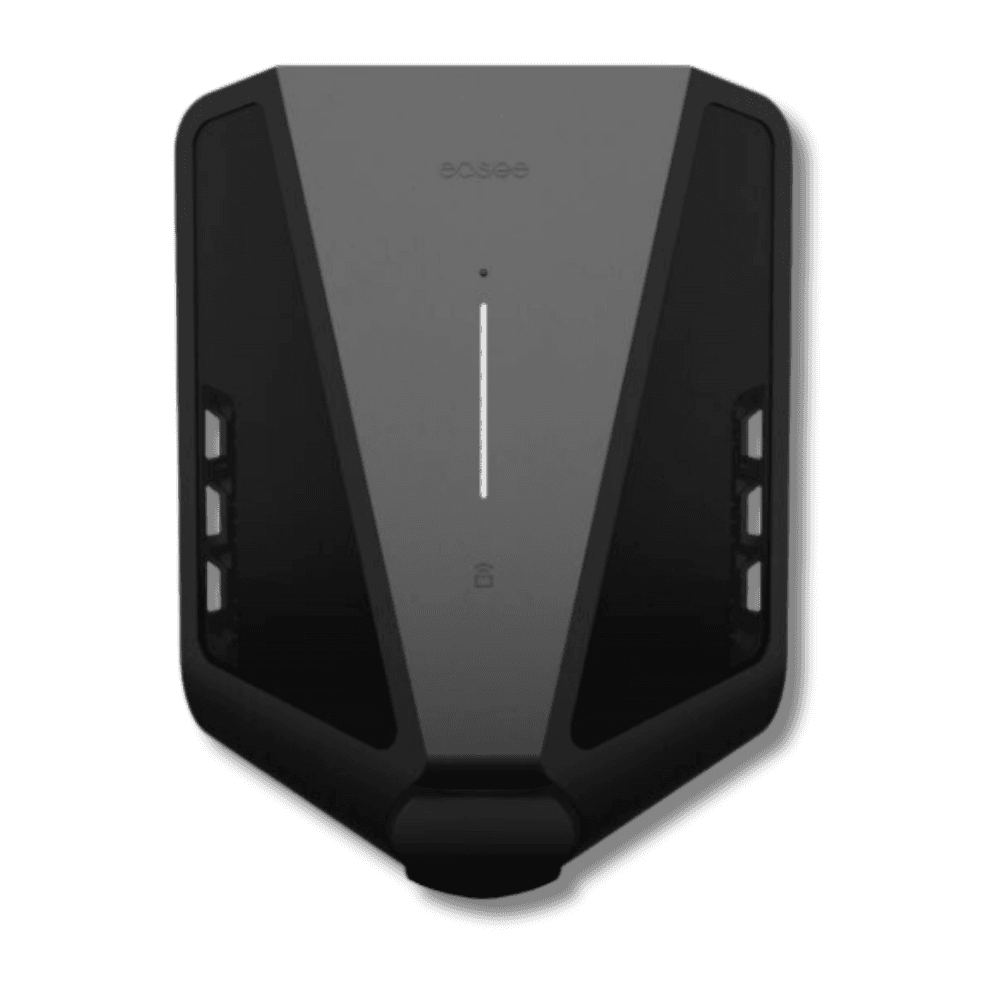
Sleek charging box with 22 kW charging power, free 4G connectivity and smart energy management — Easee's most popular model.

22 kW5 years
Read more
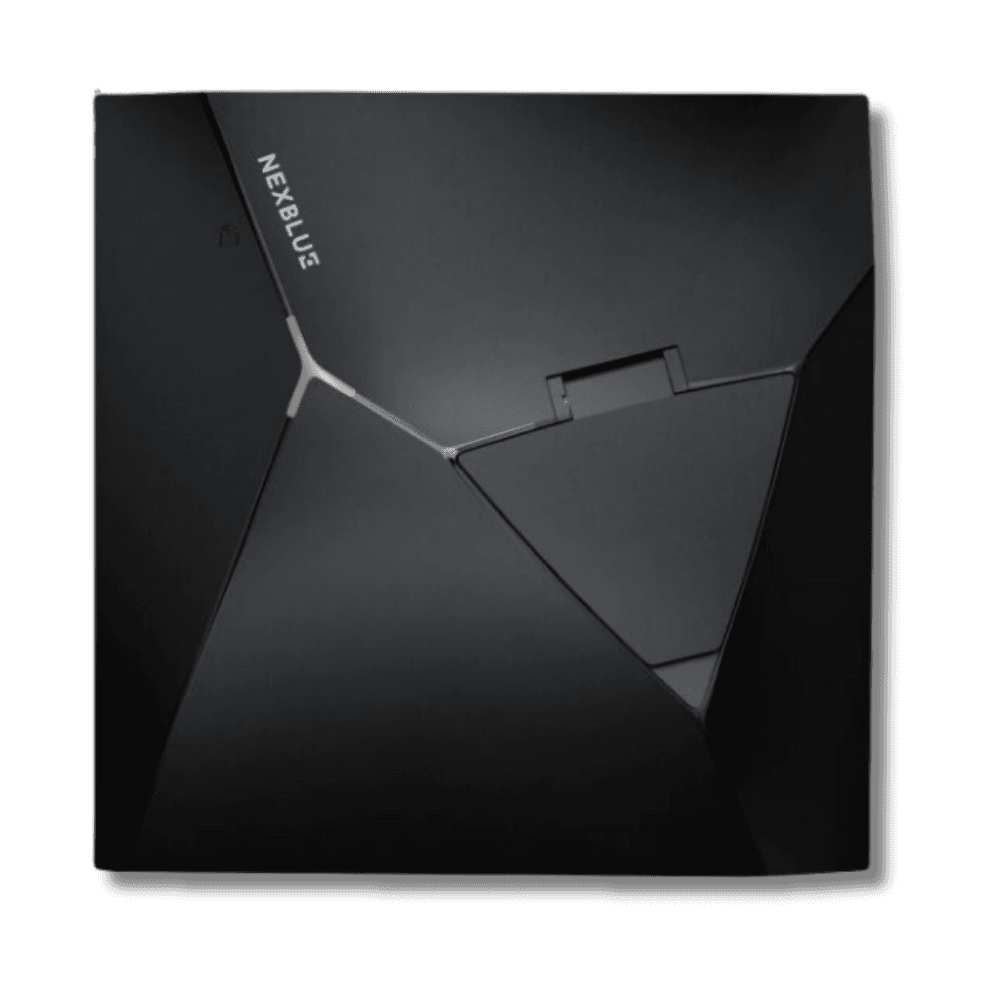
NexBlue Edge 2
NexBlue

NexBlue Edge 2

Compact 22 kW charger with built-in 4G, RFID and IK10 rating — just 2.3 kg and V2G-ready.

22 kW5 years
Read more
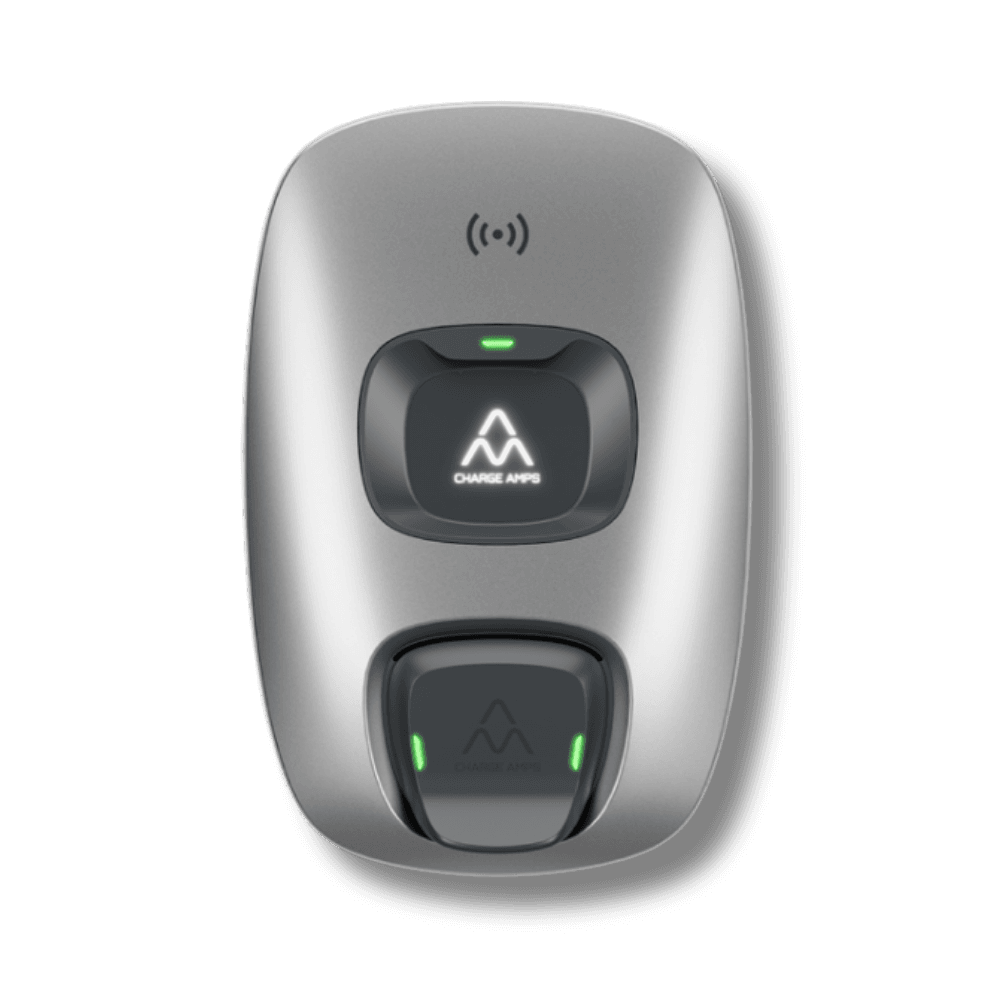
Charge Amps Aura
Charge Amps

Charge Amps Aura

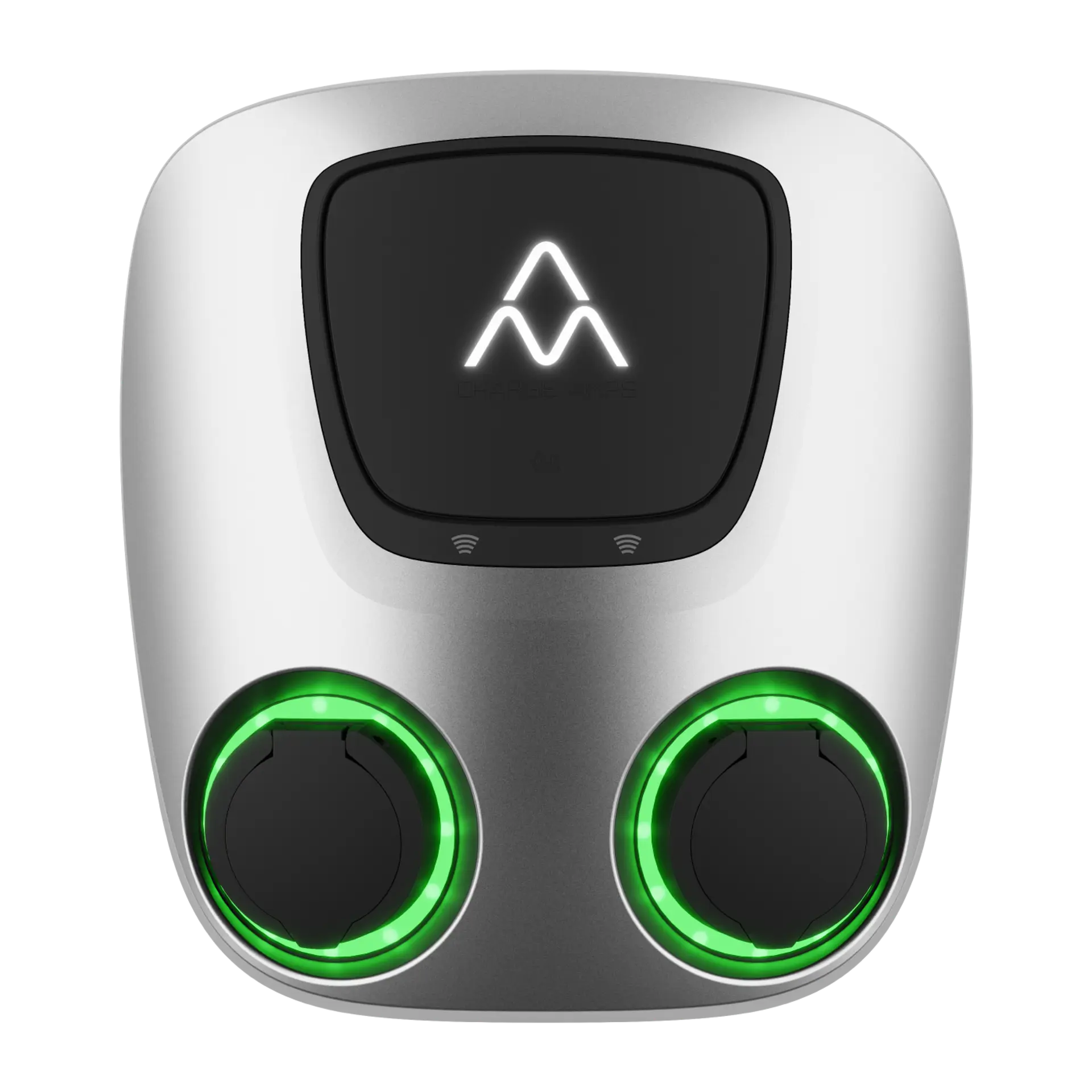
Swedish-designed premium charger with dual 22 kW outlets, MID-certified energy meter and IP66 rating.

22 kW3 years
Read more
DEFA Power
DEFA

DEFA Power

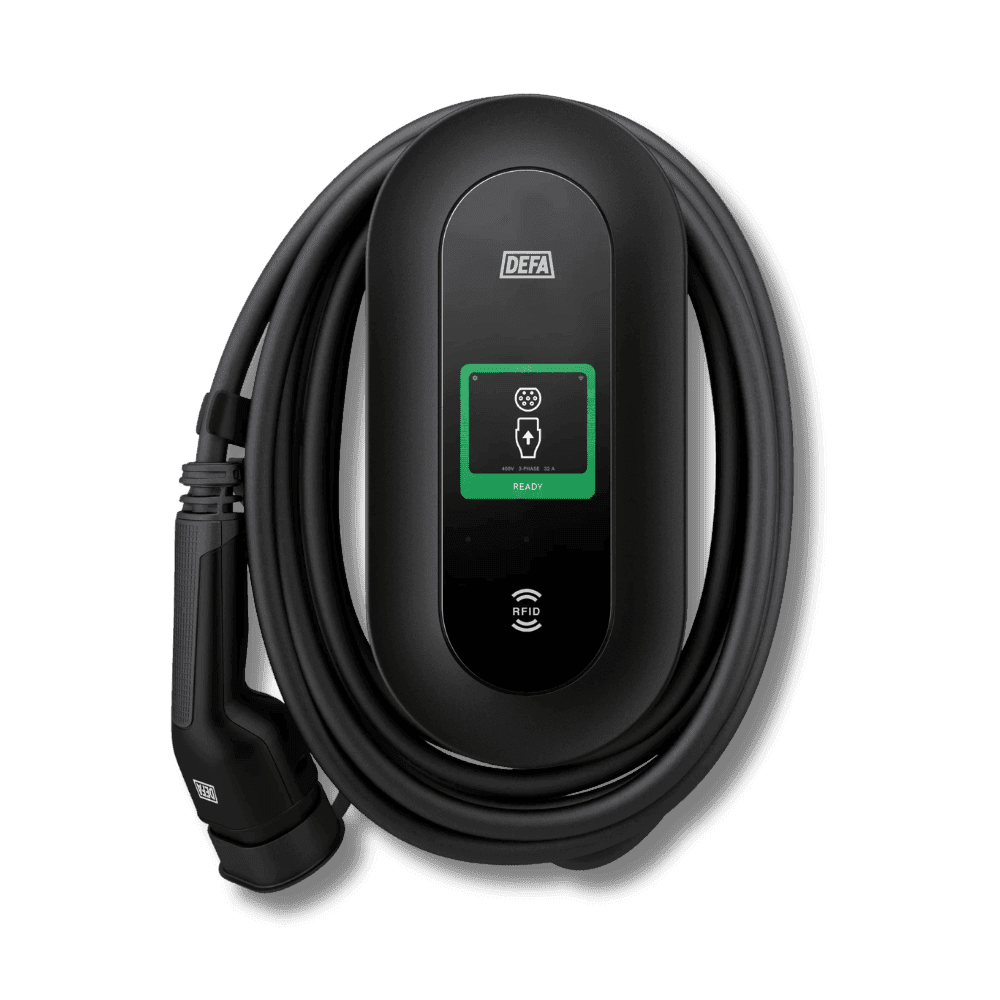
Scandinavian-made 22 kW charger with fixed 6 m cable, OCPP 2.0.1 and operating temperature down to −50 °C.

22 kW5 years
Read more
Zaptec Go 2
Zaptec

Zaptec Go 2

Next generation of the award-winning Zaptec Go — MID-certified meter with display, automatic phase switching and V2X-ready.

22 kW5 years
Read more
Charge Amps Luna
Charge Amps

Charge Amps Luna

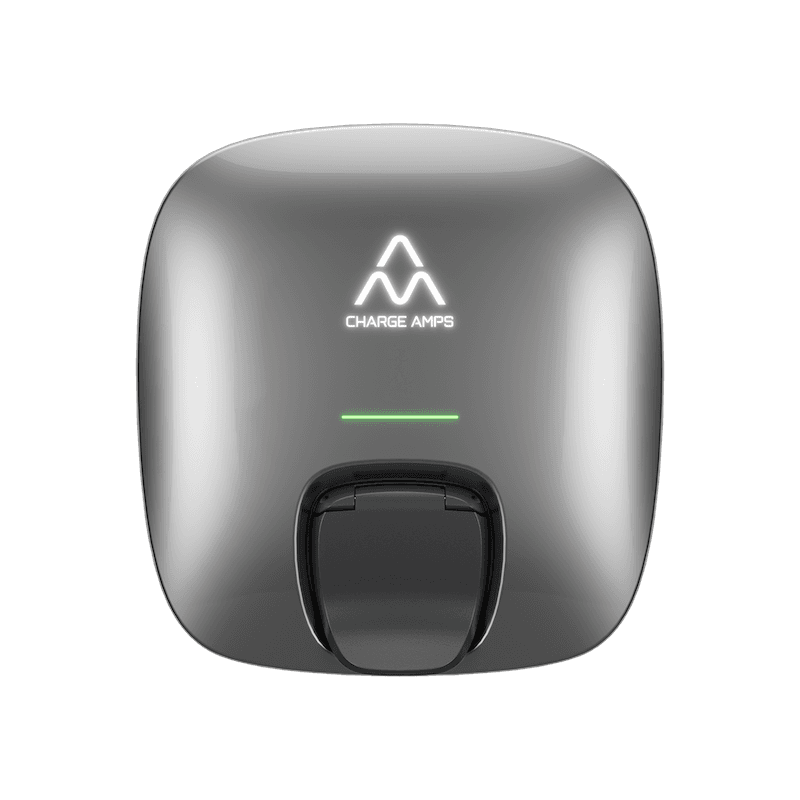
The market's lightest 22 kW charger — just 1.3 kg with WiFi/4G, V2G preparation and ISO 15118 support.

22 kW5 years
Read more
Charge Amps Halo
Charge Amps

Charge Amps Halo

Design charger in recycled aluminum with fixed 7.5 m cable, IP66 rating and extra Schuko outlet — perfect for Nordic conditions.

11 kW3 years
Read more
Easee Charge Max
Easee

Easee Charge Max

Easee's top model with MID-certified meter, RFID reader, built-in 4G and automatic self-tests — for homes, housing co-ops and businesses.

22 kW5 years
Read more
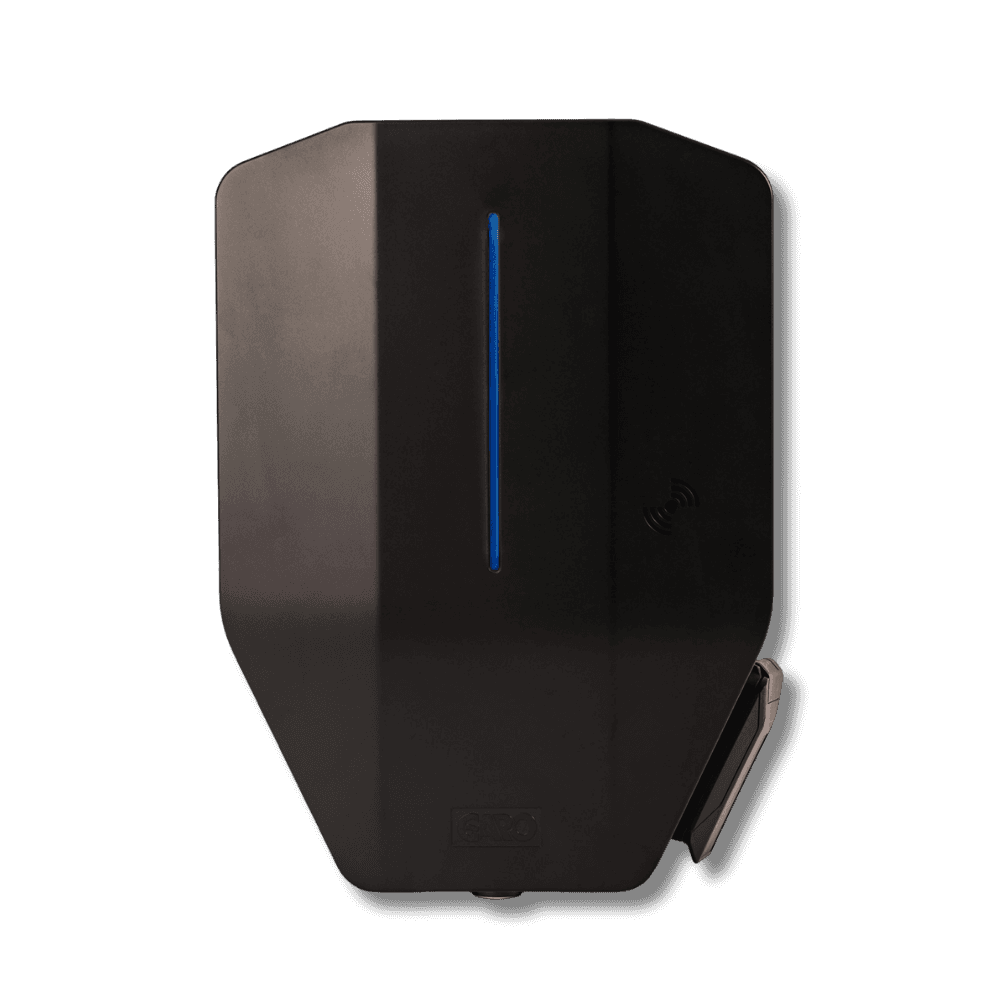
GARO Entity Home
GARO

GARO Entity Home

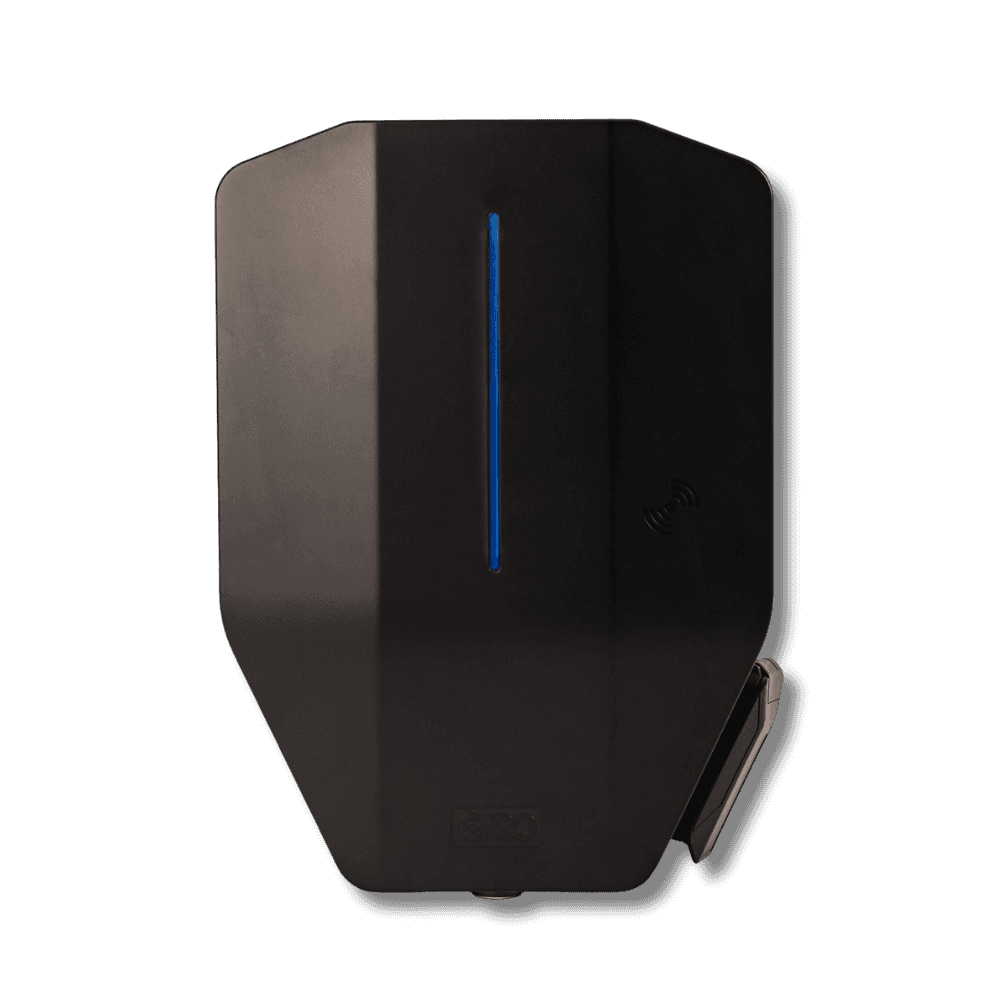
Swedish-manufactured 14 kW charger with fixed 5 m cable, built-in RFID, RCD and V2G preparation.

14 kW5 years
Read more
amina S
amina

amina S

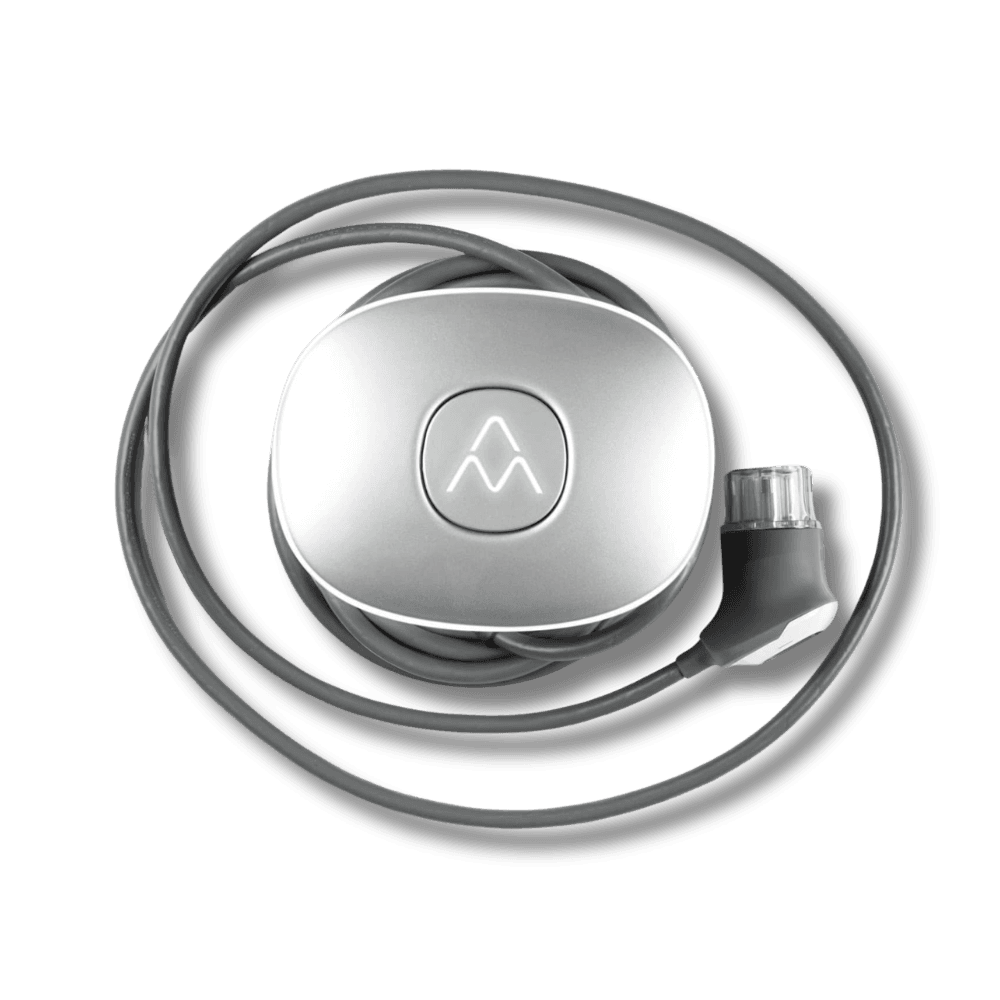
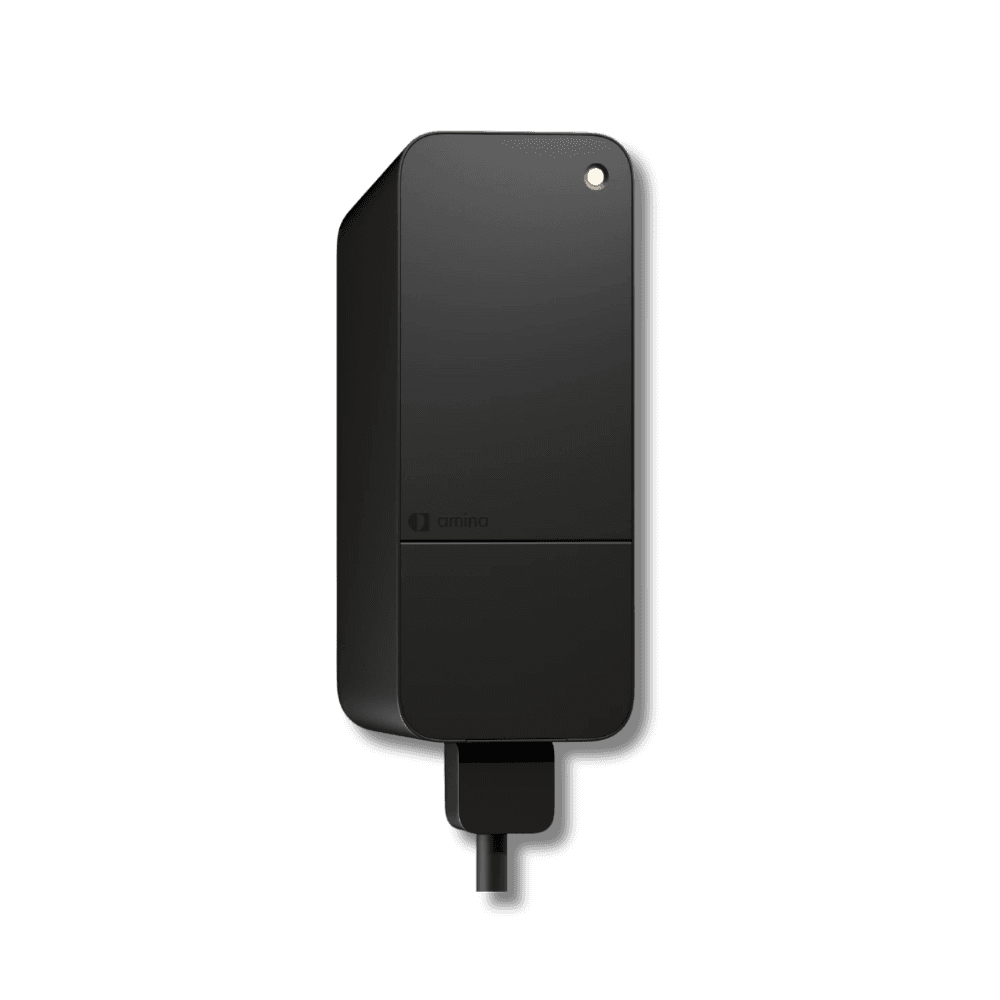
Norwegian-made 22 kW charger with fixed 6 m cable, elegant design and smart home integration via ZigBee.

22 kW5 years
Read more
go-e Gemini Flex 2.0
go-e

go-e Gemini Flex 2.0

Portable and fixed charger in one — up to 22 kW with IP65, built-in eSIM and IK08 impact resistance.

11–22 kW5 years
Read more
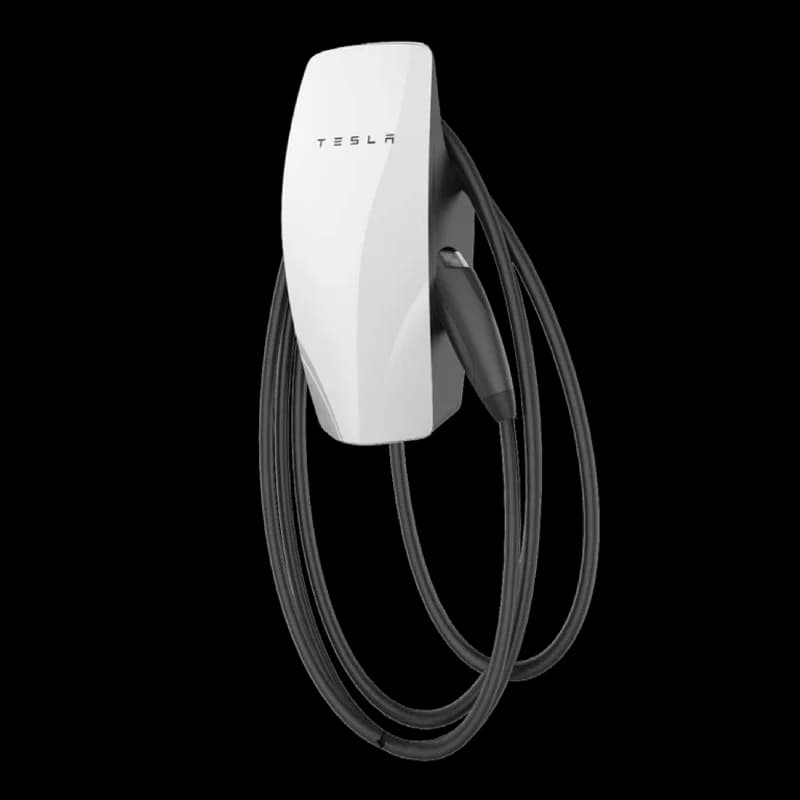
Tesla Wall Connector
Tesla

Tesla Wall Connector

Tesla's official 22 kW home charger with fixed 7.3 m cable, IP55 rating and seamless Tesla app integration.

22 kW4 years
Read more
Zaptec Pro
Zaptec

Zaptec Pro

Scalable 22 kW charging station with built-in load balancing, MID meter and RFID — for co-ops, businesses and parking facilities.

22 kW5 years
Read more
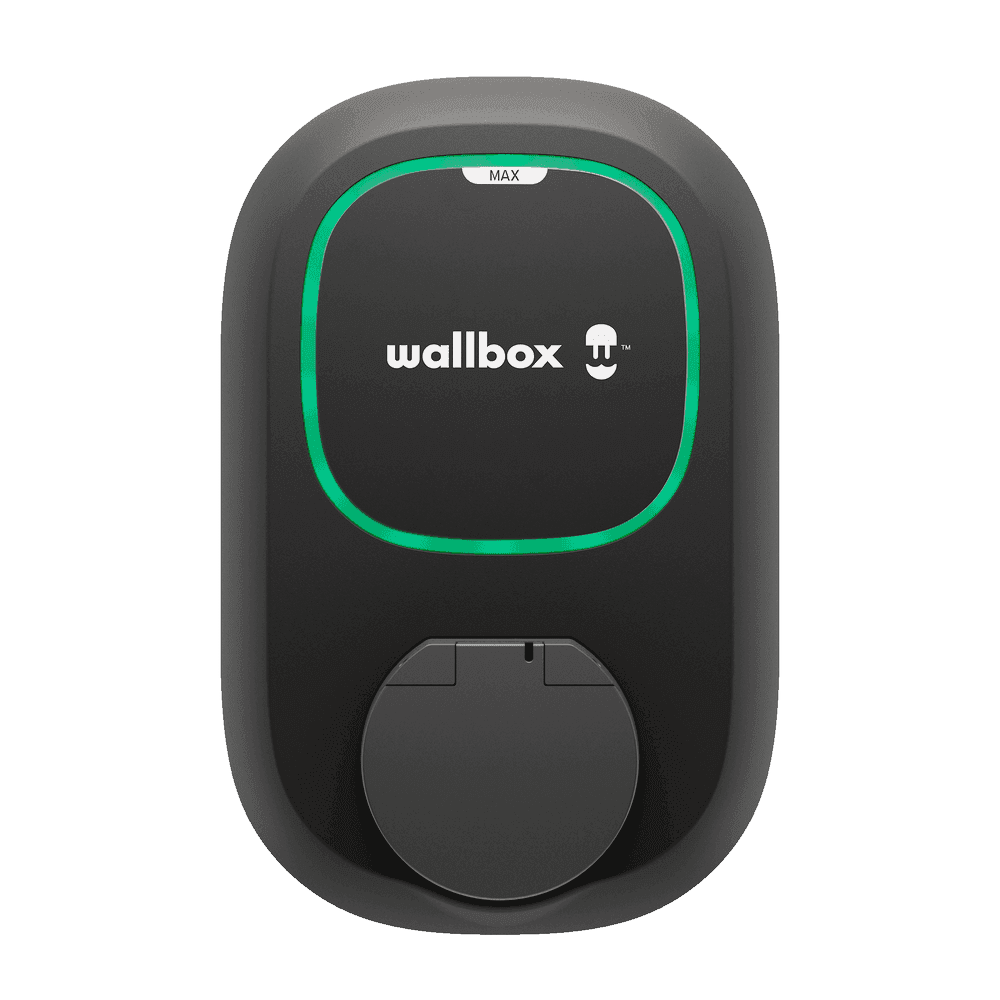
Wallbox Pulsar Max
Wallbox

Wallbox Pulsar Max

Ultra-compact 22 kW charger at just 1.3 kg with Eco-Smart solar charging, voice control and matte premium finish.

22 kW3 years
Read more
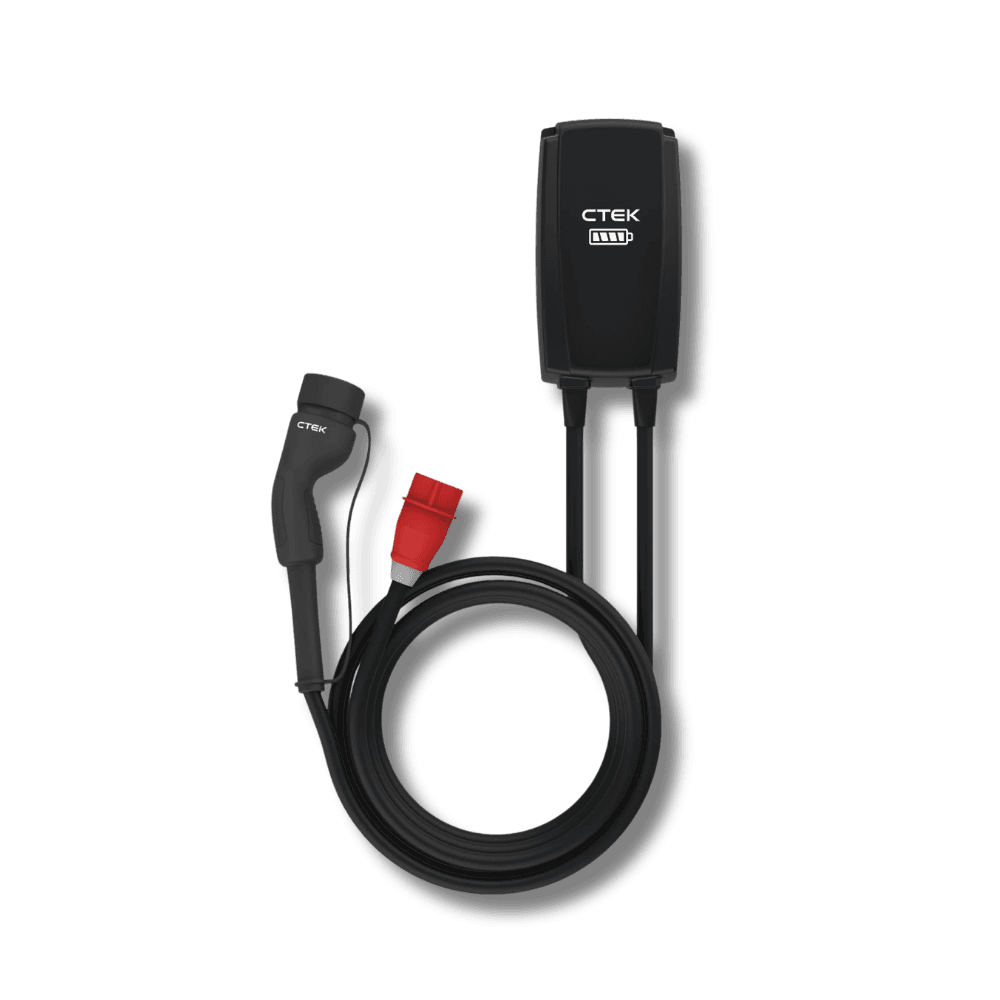
CTEK NJORD GO
CTEK

CTEK NJORD GO

Swedish-made portable 11 kW charger — 140 × 250 × 80 mm, IP65 and −30 °C to +50 °C. Only requires a CEE socket.

11 kW2 years
Read more
GARO Entity PRO
GARO

GARO Entity PRO

Swedish-manufactured 22 kW charging station with 4G/WiFi/Ethernet, RFID, OCPP and choice of fixed cable or outlet — for co-ops and businesses.

22 kW3 years
Read more
Charge Amps Dawn
Charge Amps

Charge Amps Dawn

Design award-winning 22 kW charging station with MID meter, RFID, WiFi/4G/Bluetooth and built-in RCD — for co-ops, businesses and homes.

22 kW3 years
Read more

Compare quotes from leading companies

Get a clear overview of the best quotes and choose the option that suits you best. We highlight what matters most so you can make the right decision with ease.

Local installers across all of Sweden

From Malmö in the south to Kiruna in the north. We match you with local, certified installers no matter where you live.

0+
Installers
0
Counties
0
Municipalities

INVOICE

2026-02-20

EV Charger 22 kW

Incl. installation

SEK 25,000

Green deduction 50%

-SEK 12,500

To pay

SEK 12,500

You save SEK 12,500 directly on the invoice

*Illustrative example. Actual price and deduction depend on equipment, installation, and property conditions. Eligibility for green deduction is assessed by the Swedish Tax Agency.

Save 50% directly on your invoice

With the green tax deduction, you get a 50% discount directly on the invoice when you install an EV charger. Simple and hassle-free!

  • 50% tax reduction on EV chargers
  • Up to SEK 50,000 per person per year
  • With joint ownership, you can save up to SEK 100,000
Calculate your deduction

We quality-check, so you don't have to gamble

All installers are reviewed on warranty, financials and customer reviews. Clear quotes, no surprises.

  • Documented track record & clear warranties
  • See exactly what's included in every quote
  • Help understanding kW, charging time and capacity
Svensk SolenergiAAA Kreditvardighet
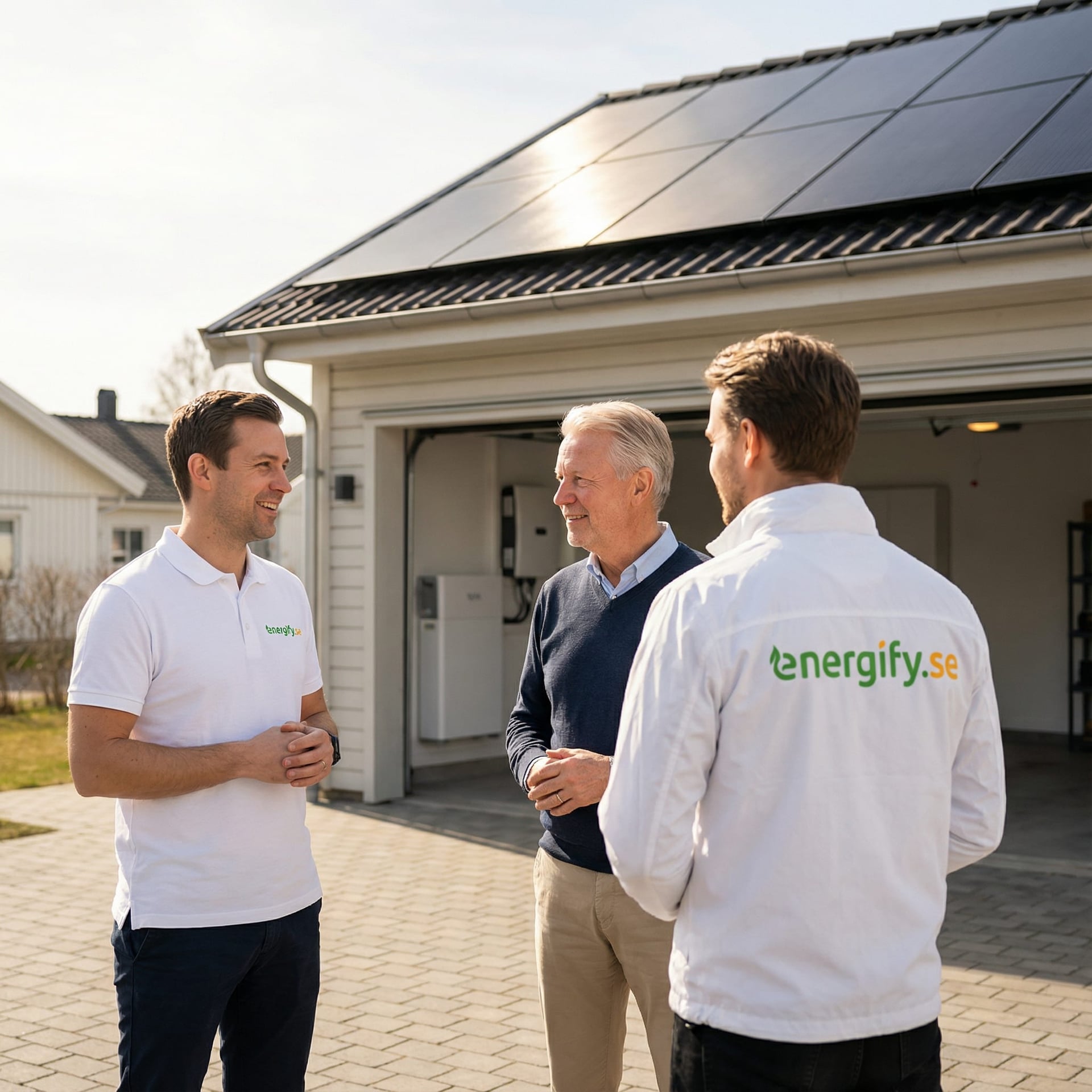
Energify team with customer in front of house with EV charger

We help you find the right charger at the best price!

The Energify team

Trustpilot

What our customers say

We have helped thousands of Swedish households find the right solution. Read some of their stories.

Hear it from our customers

See how Anna and Erik saved close to SEK 50,000 by comparing quotes through Energify.

Verified customer

We compared quotes through Energify and ended up saving close to SEK 50,000.

A&E

Anna & Erik Lindström

Homeowners in Stockholm

Solar panels 12 kWHome battery 10 kWhEV charger

Frequently asked questions about EV chargers

Here we answer the most common questions about EV chargers and home charging.

Everything you need to know about EV charging

Your complete guide to home EV charging in Sweden — from choosing a charger to installation and costs.

Introduction to home EV charging

More and more Swedes are driving electric, and home charging is the most convenient and cost-effective way to charge. With your own charging station at home, you avoid queues at public chargers and can charge your car overnight when electricity prices are at their lowest. In this guide, we cover everything you need to know to choose the right charger, understand the costs and get started with installation.

What is an EV charger?

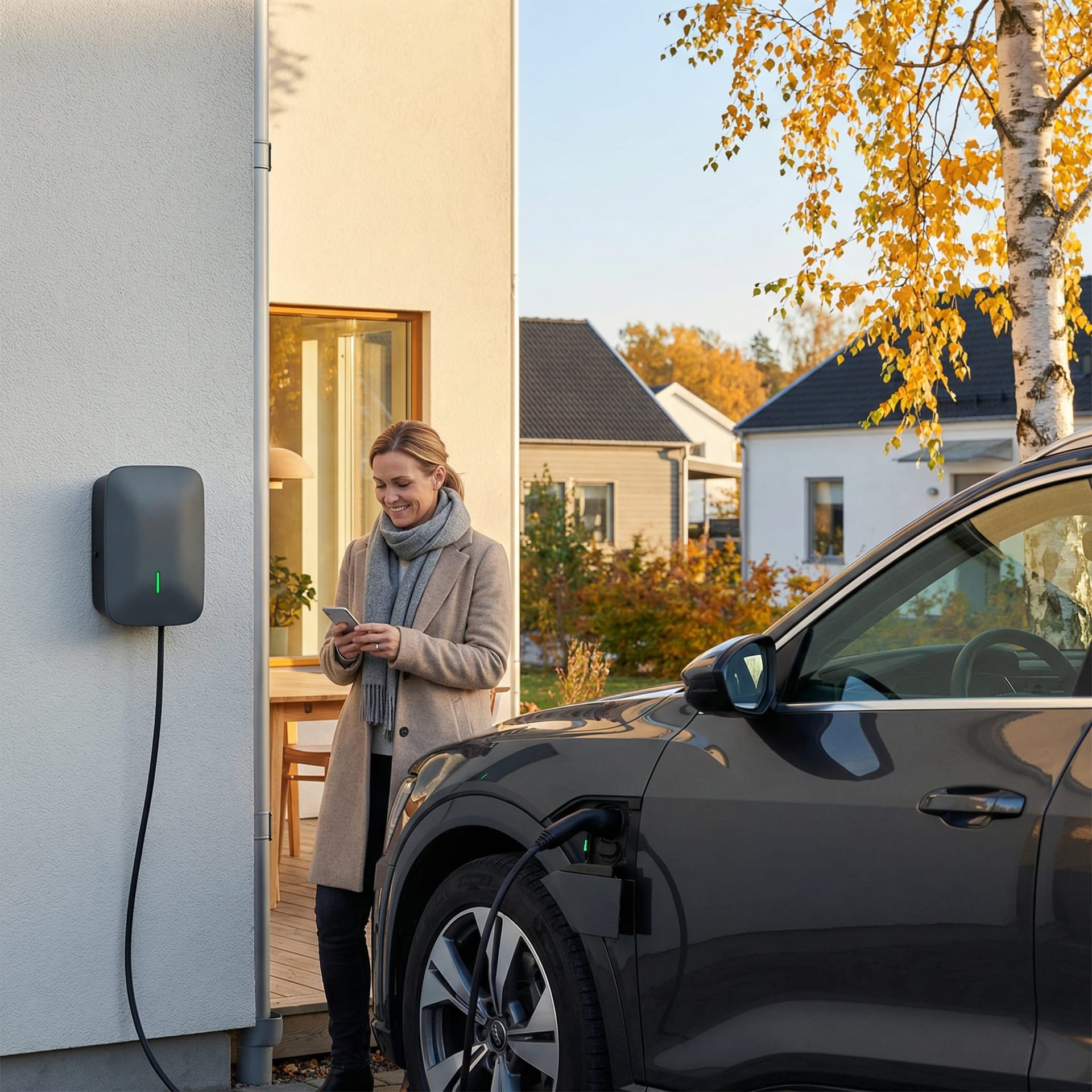
An EV charger (also called a wallbox or home charger) is a dedicated charging station for electric vehicles mounted at home — usually in the garage, on the house wall or in the carport. Unlike charging via a regular wall outlet, a dedicated charger provides significantly higher power, better safety and smarter features:

  • Charges 5–10 times faster than a regular 230V outlet (Schuko) — a full charge in 4–8 hours instead of 20+ hours.
  • Built-in safety features including residual current device (type B), overheat protection and current monitoring.
  • Smart features like scheduling, app control and energy metering via Wi-Fi or Bluetooth.
  • Designed for daily use and handles all weather conditions (IP54/IP65 rated).

Why you should get an EV charger

Investing in a home EV charger provides benefits that extend far beyond convenience. Here are the key reasons:

Charge faster and safer

A home charger delivers up to 22 kW, compared to max 2.3 kW from a regular wall outlet. This means you can fully charge your EV in 4–8 hours instead of over 24 hours. Additionally, EV chargers are built with dedicated safety circuits that eliminate the risk of overheating and fire — a real risk when charging for extended periods via a Schuko outlet.

Lower your charging costs

With a smart charger, you can schedule charging for nights and weekends when spot electricity prices are lowest. Many smart chargers can connect to your electricity plan and automatically charge during the cheapest hours. A typical EV owner driving 15,000 km per year can save SEK 3,000–6,000 annually compared to public fast chargers.

Increase your property value

An installed EV charger is an attractive feature when selling your home. As the EV market grows, home charging is becoming an expected standard. Real estate agents report that charging capability at home increases buyer interest and can contribute to a higher selling price.

Future-proof with smart charging

Modern chargers support load balancing, meaning charging is automatically adjusted based on your household's other electricity consumption. This prevents your main fuse from being overloaded. If you have solar panels, you can also control charging so that the car charges with solar power — completely free. Some chargers also support the OCPP protocol, making it possible to future-proof against upcoming smart grid services.

What does an EV charger cost?

The price varies depending on charging power, features and installation complexity. Here is an approximate price range for the most common types (including installation):

Charger typePrice (incl. installation)Description
Basic charger (7.4 kW)SEK 8,000 – 12,000Basic home charging
Smart charger (11 kW)SEK 12,000 – 18,000Scheduling, app control
Premium charger (22 kW)SEK 18,000 – 30,000Load balancing, solar integration

Prices include installation and VAT. The green deduction (tax reduction of 48.5%, max SEK 50,000 per person) is deducted directly on the invoice, meaning you effectively pay about half. Actual cost depends on installation conditions.

Charging power — single-phase vs three-phase

Charging power determines how fast your EV charges. Most Swedish houses have three-phase power, which enables higher charging speeds. A single-phase charger (230V, 1-phase) delivers up to 7.4 kW, while a three-phase charger (400V, 3-phase) can deliver 11 kW or 22 kW. In practice, this means a three-phase charger can charge a typical EV (60 kWh battery) from 20% to 80% in about 3–4 hours, compared to 7–8 hours on single-phase.

Do you need 22 kW?

Most EVs on the Swedish market have a built-in onboard charger (AC) of 11 kW. This means that even if your charger supports 22 kW, the car won't charge faster than what the onboard charger allows. Check your car's specifications before choosing — 11 kW is sufficient for the vast majority.

Type 1 vs Type 2 — which connector?

There are two standard connectors for AC charging of electric vehicles. In Europe and Sweden, the choice is simple, but it's good to understand the difference:

Type 1 (J1772)

Single-phase connector with max 7.4 kW. Common on older and Asian/American EVs (e.g., early Nissan Leaf, Mitsubishi Outlander PHEV). Rarely used in new European models.

Type 2 (Mennekes)

European standard supporting single-phase and three-phase, up to 22 kW AC. Used by virtually all new EVs sold in Sweden — Tesla, Volvo, VW, BMW, Hyundai and more. The connector you should choose.

In short: Always choose a Type 2 connector for your charger. All new EVs in Sweden use this standard, and most chargers come with Type 2 as default.

Installation — how it works

Installation of an EV charger must always be carried out by a certified electrician. Here's what the process typically looks like:

  • Site visit and sizing: The electrician checks your main fuse (typically 16A, 20A or 25A), electrical panel and cable routing. Three-phase is required for 11–22 kW.
  • Notification to grid operator: For installations of 11 kW or higher, the electrician needs to submit a pre-notification to your grid operator. This typically takes 1–4 weeks.
  • Mounting and connection: The actual installation usually takes half a day to a full day, depending on the distance from the electrical panel to the charging location.
  • Commissioning and testing: The electrician tests the charger, configures any smart features and ensures everything works correctly.

EV charging in condos and apartment buildings

If you live in a condominium or rental apartment, the process looks slightly different. You typically need a board decision from the housing association before installation can begin. Many housing associations choose to install shared charging points with load balancing, so multiple cars can charge simultaneously without overloading the building. There are dedicated solutions for multi-unit buildings that handle individual metering and billing per charging point. Contact your board early in the process — more and more associations already have a charging strategy in place or are planning to invest in charging infrastructure.

Ready to get started with an EV charger?

Compare quotes from vetted installers near you. It only takes 60 seconds and is completely free.

See your price

Takes just 60 seconds · Completely free · No obligations